Rooted & Resourced
Grant Budgets Made Simple:
From Vision to Numbers
Turn your project idea into a realistic, funder-ready grant budget.
A strong grant budget is more than a spreadsheet full of numbers.
It tells the story of your project—what the work will take, who needs to be involved, what resources are required, and why those expenses matter.
In this practical, hands-on webinar, Community Planning Collaborative will walk you step-by-step through building a project budget that aligns with your work plan, supports your grant narrative, and gives funders confidence that you understand what it will take to make your project happen.
You Have the Vision. Let's Build the Budget.
For many community-based organizations, the budget can be one of the most intimidating parts of a grant application.
How much should you budget for staff?
What about consultants, volunteers, supplies, travel, meeting space, outreach, stipends, accessibility, or evaluation?
What counts as an in-kind contribution?
And how do you explain why an expense is necessary without writing a novel in the budget justification?
This webinar breaks the process down into manageable pieces so you can approach your next grant budget with greater clarity and confidence.
You don't need to be a budget expert.
You need a practical process for connecting your vision → your activities → your resources → your numbers.

Who This Webinar Is For
Grant Budgets Made Simple is designed especially for:
Community-based organizations
Nonprofits and grassroots organizations
Neighborhood and community groups
Cultural and heritage organizations
Historic preservation organizations
Organizations working on planning or community development projects
Small organizations with limited grant-writing capacity
Staff and volunteers responsible for developing grant applications
Anyone who wants a clearer, more practical approach to grant budgeting
Whether you're preparing your first grant application or you've written grants before but still find the budget challenging, this session is designed to make the process feel more manageable.
What You’ll Learn
During this hands-on grant budgeting webinar, we'll walk through the major pieces of building a project budget, including:
Start With the Work—Not the Numbers
Learn why your work plan should come before your budget and how to make sure every expense connects back to the activities you've proposed.
Build a Realistic People Budget
Think through staff time, consultants, specialized expertise, and the true cost of the people needed to carry out your project.
Understand In-Kind Contributions
Learn how staff time, volunteer labor, donated supplies, and other non-cash resources can sometimes contribute to a project budget or required match.
Account for the Costs You Might Overlook
We'll explore expenses such as:
Supplies and materials
Travel
Meeting and event locations
Marketing and community outreach
Deliverables and publications
Evaluation
Administration
Community stipends
Food and refreshments
Accessibility accommodations
Childcare and transportation assistance
Other project costs
Write Strong Budget Justifications
Move beyond simply listing an expense. Learn how to explain why the cost is necessary and how it supports your project's goals and activities.
Avoid Common Grant Budget Mistakes
We'll cover common issues such as underestimating staff time, overestimating volunteer contributions, forgetting administrative costs, misaligning expenses with the project scope, and rounding numbers too early.
Know What Your Budget Is Really Saying
Your budget communicates more than costs. It can reveal your priorities, values, and understanding of what it will take to do the work well.


You'll Walk Away With Practical Tools You Can Actually Use
This isn't a webinar where you listen to a presentation and walk away with a page of notes.
You'll receive resources designed to help you build and refine your own grant budgets.
Included with your registration:
Reusable Excel Grant Budget Template
A practical template you can adapt for future grant applications and use to think through the real costs of your project.
Grant Budget Terms & Definitions Guide
A quick-reference resource to help you understand common grant budgeting language.
In-Kind Contributions Guide
A resource to help you understand and calculate the value of paid staff and volunteer contributions.
You'll be able to keep these resources and return to them as you work on future grant applications.
A Budget Should Tell the Same Story as Your Application
One of the most important ideas we'll explore is simple:
| Your budget is your narrative, translated into numbers.
Your project narrative tells the funder what you want to accomplish.
Your work plan shows how you're going to do it.
Your budget shows what it will realistically take to make it happen.
When those three pieces align, your proposal becomes clearer—and your budget becomes much easier to build.
We'll show you how to make those connections throughout the budgeting process.

Stop Guessing. Start Building a Budget You Can Actually Live With.
One of the biggest takeaways from this session is that your grant budget shouldn't simply look good on application day.
If your grant is awarded, that budget becomes part of the framework you'll use to manage the project.
That's why we'll focus on building budgets that are:
REALISTIC
Based on what the work will actually require.
ALIGNED
Connected directly to your activities, goals, and scope of work.
CLEAR
Easy for a funder—and your own team—to understand.
RESPONSIBLE
Reflective of the true time, expertise, resources, and costs involved.
As the webinar emphasizes, the goal isn't to create the most complicated budget. It's to create one that you can realistically manage.
About Rooted & Resourced
Rooted & Resourced: Grant Applications for Community-Based Work is a practical webinar series from Community Planning Collaborative designed to make the grant process more understandable, useful, and manageable for organizations doing important work in their communities.
This session is part of a larger conversation about not just getting grant funding, but understanding how to plan for, apply for, and ultimately manage that funding responsibly.
Community Planning Collaborative brings experience from multiple sides of the grant process, including developing applications and budgets, managing awarded grants, and reviewing grant applications for funding.
Once you've learned how to build a strong grant budget, the next question is:
What happens when you actually get the grant?
The next Rooted & Resourced webinar, You Got the Grant — Now What?, picks up where the application process ends and explores grant agreements, project organization, expense tracking, reporting requirements, and managing the work after the award.
Ready to Make Your Grant Budget Make Sense?
You already have the vision.
You know the work your community needs.
Now let's translate that vision into numbers.
Join us for Grant Budgets Made Simple: From Vision to Numbers
Practical guidance. Reusable tools. A clearer path from project idea to grant budget.
What’s Included for $35
Your one-time purchase includes:
✔️ Immediate access to the full on-demand webinar
✔️ In-Kind Contributions Worksheet
✔️ Grant Budget Template
✔️ Common Budget Terms & Definitions Worksheet
These tools are designed to support you beyond this single application.
Watch at your own pace and revisit anytime.
Meet Your Hosts
Together, they lead Community Planning Collaborative, supporting communities in planning, preservation, and funding strategies rooted in equity and care.
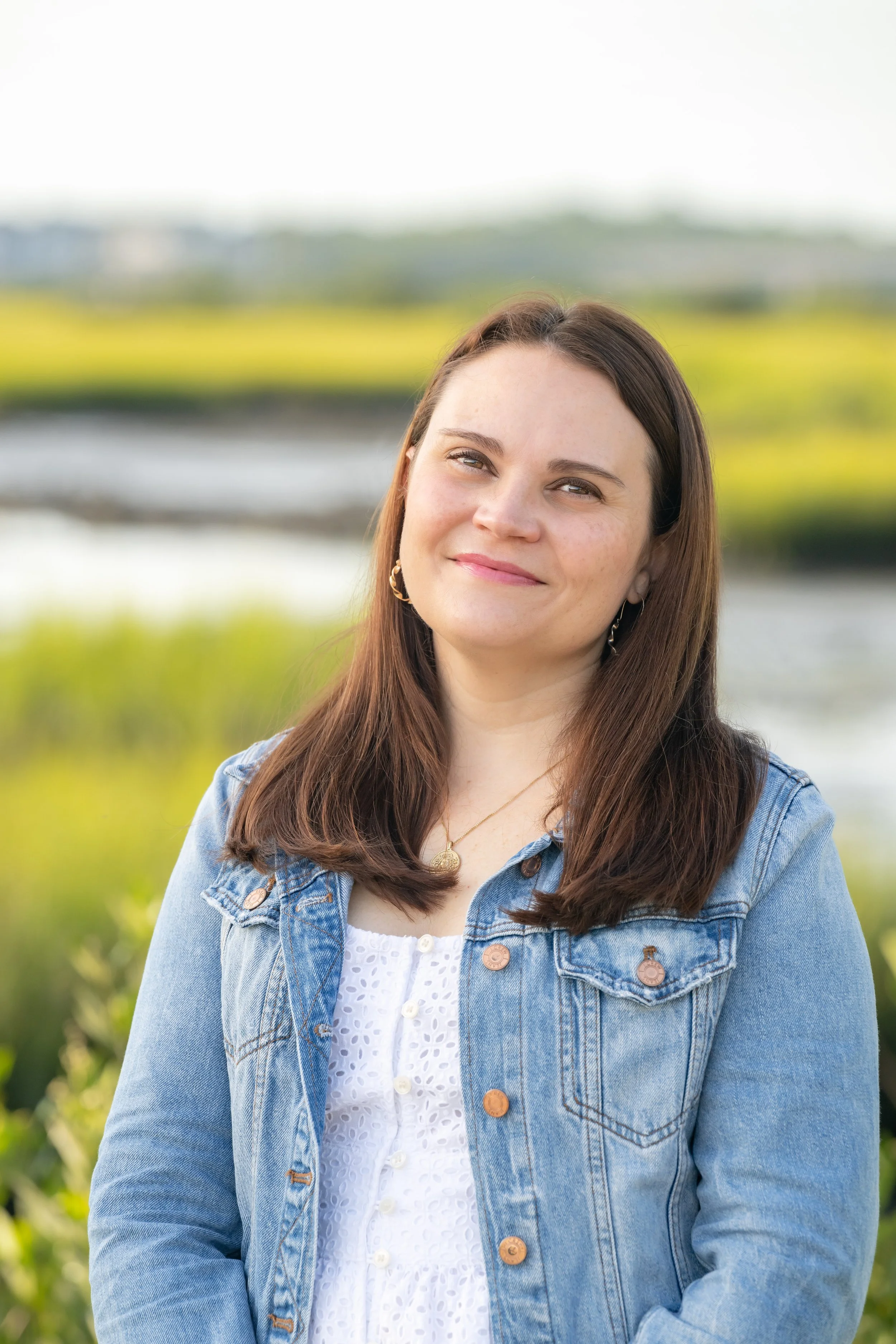

Adrienne Burke
Adrienne is a preservationist and planner focused on community-led, history-based planning solutions. She has worked on grant writing, heritage trails, surveys, and zoning reform, with a commitment to making funding processes more accessible and grounded.
Ennis Davis
Ennis is an urban planner, writer, and storyteller specializing in equitable development, cultural preservation, and connecting communities to place through history and narrative.
Ready to Get Started?
Your work matters. Your community matters. And your story is worth funding.
Questions?
Email us at info@planningcollab.com — we’re happy to help.