Rooted & Resourced
You Got the Grant. Now What?
Post-Grant Survival & Strategy for Community-Based Projects
You did the hard part. You got the funding. Now let's make sure you can manage it.
Getting a grant is worth celebrating.
But once the congratulations are over, the real work begins.
There's a grant agreement to understand. A budget to track. Deadlines to manage. Reports to prepare. Partners to coordinate.
Expenses to document. And a project that still needs to happen.
And if you're managing all of that with a small team—or mostly on your own—it can feel like a lot.
This webinar will help you move from “We got the grant!” to “We know exactly what we're doing next.”
Winning the Grant Is Only the Beginning.
A grant award can bring exciting possibilities—and a whole new set of responsibilities.
What exactly did you agree to deliver?
When can you spend the money?
What happens if your timeline changes?
How do you track expenses and staff time?
What should you save for your reports?
And what do you do when the project doesn't go exactly according to plan?
You don't have to figure it all out as you go.
In this practical session, we'll walk through the full grant management life cycle, from reviewing your grant agreement and
organizing your project to tracking expenses, preparing reports, navigating changes, and closing out the grant.
The goal isn't to turn you into a professional grants manager overnight.
It's to give you simple systems, practical tools, and a clearer way to manage the work.

Who This Webinar Is For
This session is especially useful for:
Community-based organizations
Nonprofits and grassroots organizations
Neighborhood organizations
Cultural and heritage organizations
Historic preservation organizations
Planning and community development organizations
Small organizations with limited administrative capacity
Staff members managing grant-funded projects
Executive directors and program managers
Community leaders who have recently received grant funding
Anyone responsible for grant reporting, budgeting, or project coordination
Whether this is your first grant award or you've managed grants before, this session is designed to help you create systems that make the work more manageable.
What You’ll Learn
Start With the Grant Agreement
Before you spend money or launch activities, you need to understand exactly what you agreed to do.
We'll walk through what to look for in your grant agreement, including:
Scope of work
Project timeline
Approved budget
Deliverables and outcomes
Reporting requirements
Payment and reimbursement schedules
Procurement requirements
Communication and branding requirements
Rules about requesting changes
You'll also learn what to do when the agreement doesn't match what you originally proposed.
Don't assume. Don't rush. Read the agreement.
It becomes the foundation for everything that follows.

Get Organized Before the Work Gets Busy
A little organization at the beginning can save you hours later.
We'll show you how to create a simple grant administration system for keeping track of:
Your signed grant agreement
Approved budget
Work plan and timeline
Reporting deadlines
Funder contacts
Required forms
Receipts and invoices
Project deliverables
Documentation and supporting materials
You don't need an elaborate system.
Even a simple shared folder and a few well-organized spreadsheets can make a huge difference.
Build an Implementation Plan You Can Actually Follow
Winning the grant doesn't mean you should immediately jump into every task.
First, build the roadmap.
We'll show you how to work backward from your final deliverables and create a realistic implementation plan that accounts for:
Procurement and contracts
Hiring consultants or partners
Community engagement
Outreach and communications
Documentation
Evaluation
Reporting
Internal review
Milestones and check-ins
Buffer time for the unexpected
Because community-centered work doesn't always move according to a perfect calendar.
Engagement moves at the speed of trust.
Your implementation plan should leave room for the time your community actually needs.


Track the Money Before Report Time
One of the easiest ways to make grant management stressful is to wait until reporting time to figure out where everything went.
We'll walk through simple ways to track:
💰 Expenses
Record spending as it happens instead of trying to reconstruct it months later.
🧾 Receipts & Invoices
Create a system for saving documentation so you can find what you need when you need it.
⏱️ Staff & Project Time
Use a simple method for tracking hours when your funder requires it.
📊 Budget vs. Actuals
Keep an eye on how your actual spending compares with your approved budget.
📁 Reporting Documentation
Capture photos, notes, participant feedback, milestones, outcomes, and other documentation throughout the project.
Your report should be the story you've been documenting all along—not a story you have to recreate at the last minute.
What Happens When Things Change?
Because they will.
A partner may drop out.
A cost may be higher than expected.
Community engagement may take longer.
Your timeline may need to shift.
The scope may need to change.
That doesn't automatically mean you've failed.
We'll talk about how to communicate with your funder when things change, document what's happening, and understand when you may need to request:
Timeline extensions
Budget revisions
Scope adjustments
Modified deliverables
One of the most important principles we'll discuss is simple:
When in doubt, reach out.
Funders generally don't want to be surprised. Communicating early gives everyone an opportunity to understand the situation and determine what needs to happen next.

Protect Your Scope. Protect Your Capacity.
Here's something that doesn't get talked about enough in grant management:
Winning the grant can create more work than your organization has capacity to absorb.
Once the project is funded, additional requests can start showing up.
“Can you also...?”
“Would it be possible to add...?”
“Could you just take care of one more thing?”
But your grant has a scope.
Your organization has limits.
And your time has value.
We'll talk about setting boundaries, saying no to extra work, delegating responsibilities, building realistic timelines, and creating space to recover after major deadlines and community engagement activities.
Because your well-being is part of the project, too.

You'll Walk Away With Practical Tools
This isn't just a webinar where you take notes and hope you remember everything later.
You'll receive downloadable resources you can use throughout the life of your project:
📋 Implementation Plan Template
Map your project from the beginning through final deliverables and reporting.
📊 Reporting Prep Checklist
Keep track of what you'll need for monthly, quarterly, and final reporting.
🌿 Self-Care Handout
Practical reminders for protecting your capacity while managing community-centered work.
These resources are designed to help you build systems that support you—not systems that create more work.
About Rooted & Resourced
Rooted & Resourced: Grant Applications for Community-Based Work is a practical webinar series from Community Planning Collaborative designed to make the grant process more understandable, useful, and manageable for organizations doing important work in their communities.
This session is part of a larger conversation about not just getting grant funding, but understanding how to plan for, apply for, and ultimately manage that funding responsibly.
Community Planning Collaborative brings experience from multiple sides of the grant process, including developing applications and budgets, managing awarded grants, and reviewing grant applications for funding.
Once you've learned how to build a strong grant budget, the next question is:
What happens when you actually get the grant?
The next Rooted & Resourced webinar, You Got the Grant — Now What?, picks up where the application process ends and explores grant agreements, project organization, expense tracking, reporting requirements, and managing the work after the award.
Ready to Make Your Grant Budget Make Sense?
You already have the vision.
You know the work your community needs.
Now let's translate that vision into numbers.
Join us for Grant Budgets Made Simple: From Vision to Numbers
Practical guidance. Reusable tools. A clearer path from project idea to grant budget.
What’s Included for $35
Your one-time purchase includes:
✔️ Immediate access to the full on-demand webinar
✔️ In-Kind Contributions Worksheet
✔️ Grant Budget Template
✔️ Common Budget Terms & Definitions Worksheet
These tools are designed to support you beyond this single application.
Watch at your own pace and revisit anytime.
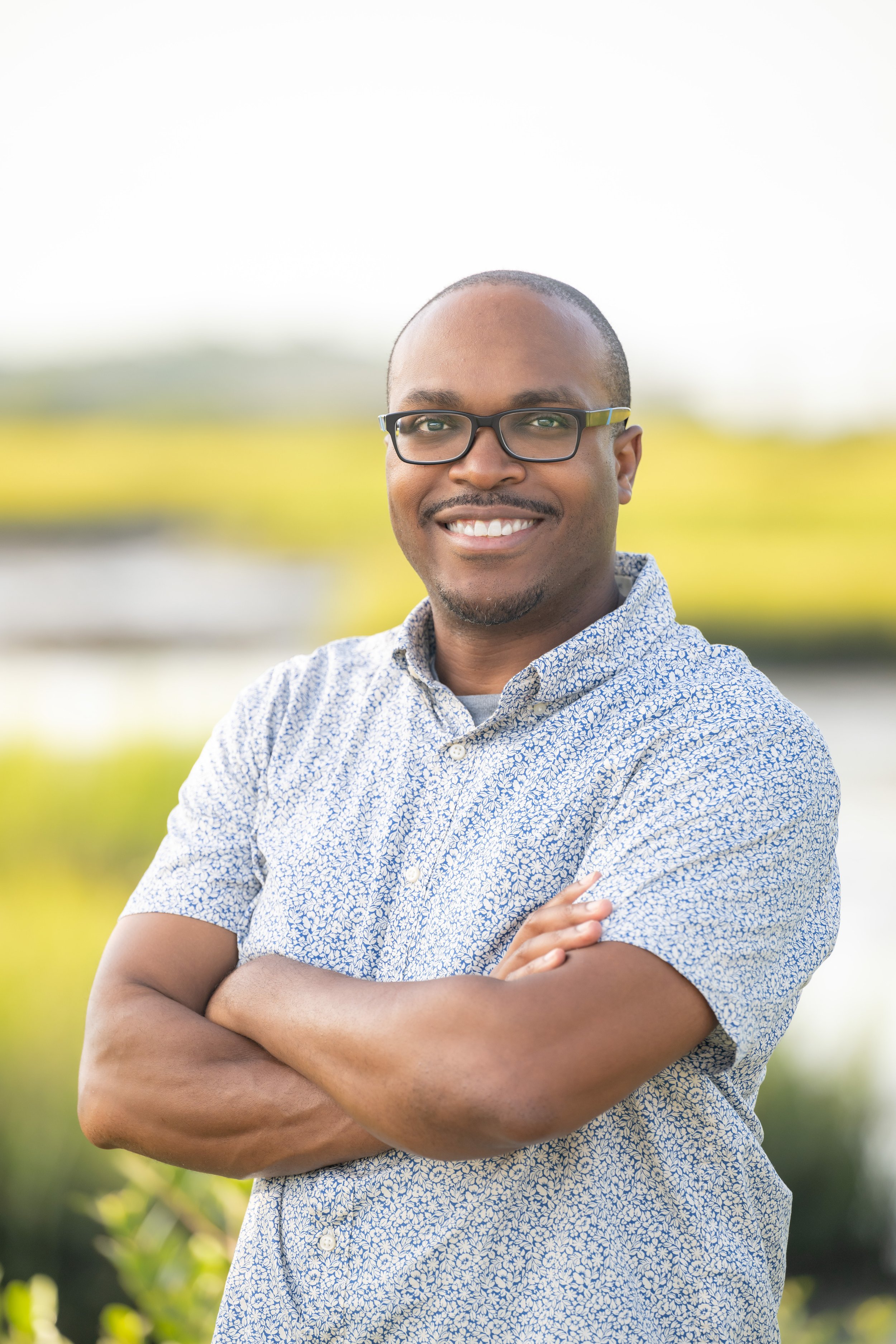
Meet Your Hosts
Together, they lead Community Planning Collaborative, supporting communities in planning, preservation, and funding strategies rooted in equity and care.
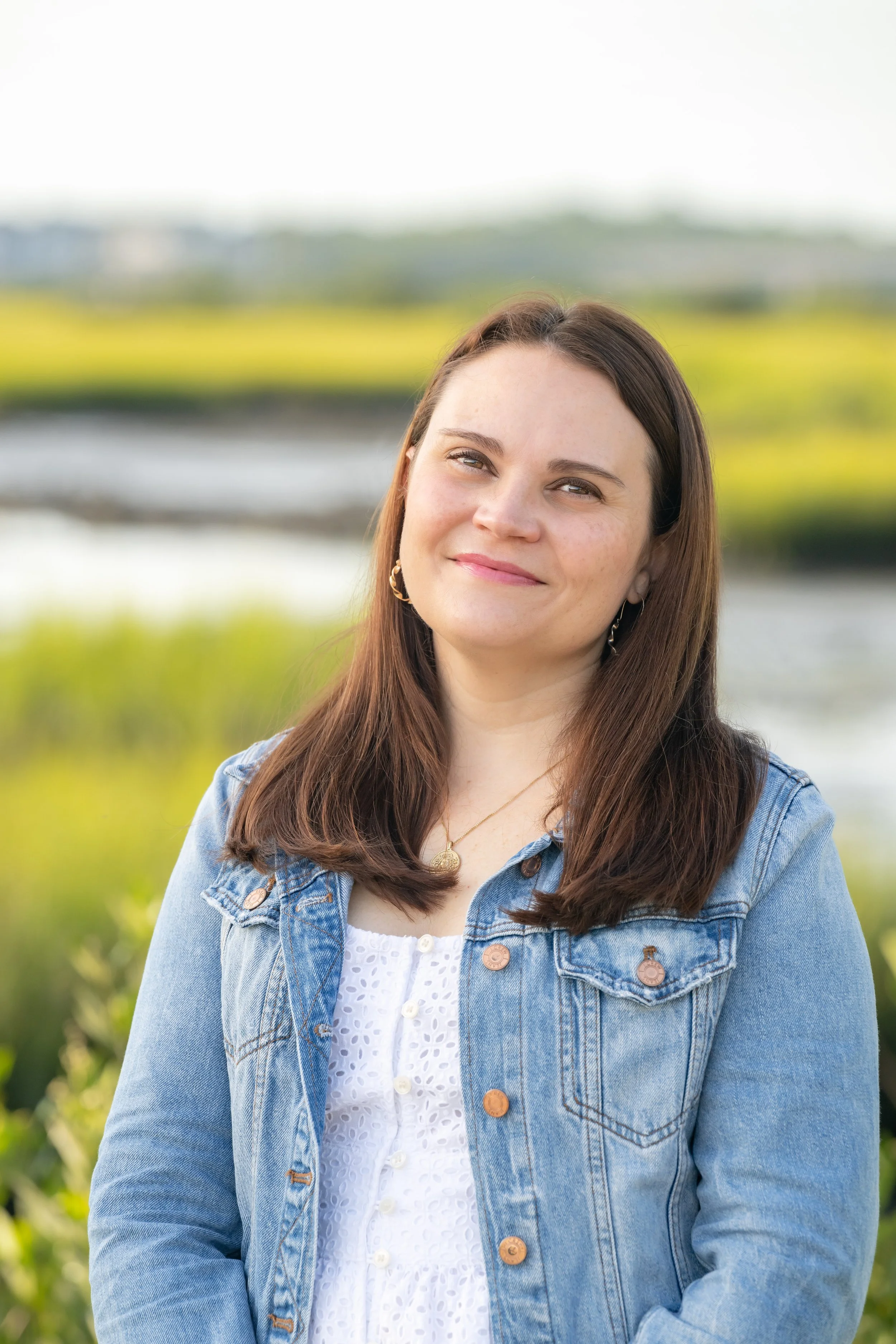
Adrienne Burke
Adrienne is a preservationist and planner focused on community-led, history-based planning solutions. She has worked on grant writing, heritage trails, surveys, and zoning reform, with a commitment to making funding processes more accessible and grounded.
Ennis Davis
Ennis is an urban planner, writer, and storyteller specializing in equitable development, cultural preservation, and connecting communities to place through history and narrative.
Ready to Get Started?
Your work matters. Your community matters. And your story is worth funding.
Questions?
Email us at info@planningcollab.com — we’re happy to help.